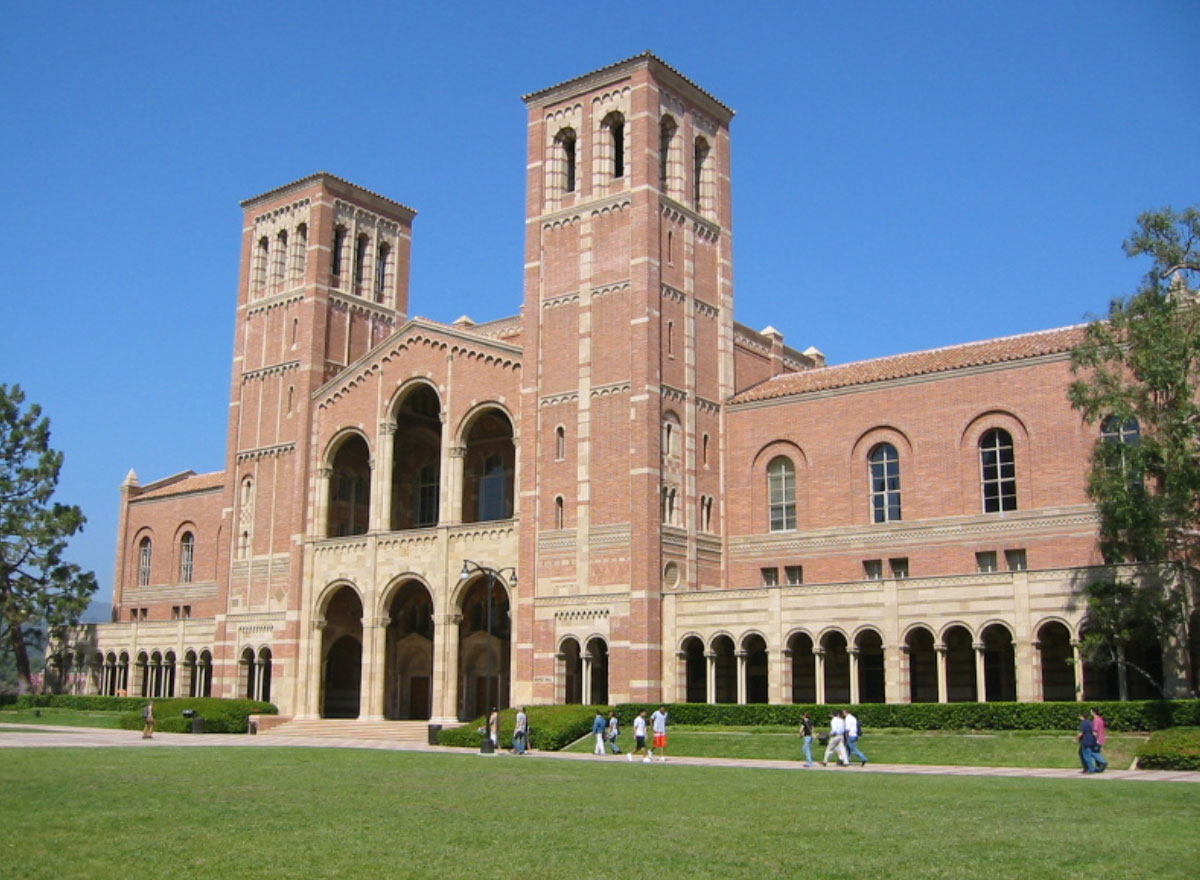
The University of California (UC) system is made up of 10 campuses throughout California. Nine of the campuses accept transfer students. The 10th campus, UC San Francisco, is a graduate school and is available once students have already earned appropriate pre-requisites, in most cases a degree. Here are some additional quick facts about the UC.
The UC:
Explore UC Transfer Stories & Success
Each UC campus offers diverse academic programs and research opportunities. UC campuses often have a competitive transfer admission process, and students who meet specific criteria - such as completing required major preparation courses with a strong GPA - are prioritized for admission.
Transfer students will be eligible for admission criteria if they meet the following requirements:
Complete a minimum of 60 UC transferable semester units or 90 transferable units.
The UC gives priority consideration to California Community College students who meet the above requirements and complete major preparation coursework prior to transfer with a strong GPA.
Students who complete the Intersegmental General Education Transfer Curriculum (IGETC) pattern or the Cal-GETC (for new students beginning fall 2025) prior to transferring to the UC system typically meet the 7-Course Pattern requirement listed above. Students are strongly recommended to meet with a counselor to discuss additional requirements for competitive admissions based on major and campus choice.
Students with less than 60 units have limited transfer options within the UC system.
Many UC campuses, such as UCSD, require that students be admitted at the junior level. Students should review the specific policies of the university they are interested in to confirm their eligibility and meet with a counselor.
Note: Not all applicants who meet the above minimum of UC admission requirements will be admitted. Students are strongly encouraged to meet with a counselor to discuss requirements for competitive admissions based on major and campus choice.
Students are eligible to participate in the Transfer Admission Guarantee (TAG) program if it is available for their campus and major and they meet TAG requirements.
Quick Facts about the UC TAG:
The Transfer Process to the University of California typically begins one year before students intend to transfer. Fall applicants can begin preparing their application as early as August, a year before their planned transfer.
Winter/Spring applicants should apply between July 1-31, in the summer before planning to transfer. (Winter/Spring options are limited. See your counselor for more information.)
Attend an application workshop for support with your application if needed.
General UC Dates & Deadlines for Fall Transfer Students*
|
August |
UC Application opens. |
|
September |
UC TAG application filing period is September 1-30. |
|
October |
UC application filing period begins October 1st. |
|
November |
Deadline to apply for fall transfer is November 30th each year. |
|
December |
Check your email regularly for information from your prospective schools. |
|
January |
Complete your Transfer Academic Update (TAU) by January 31. |
|
March |
Admission decisions begin. |
|
April |
Admission decisions continue. |
|
May |
Admitted? Review financial aid and next steps. Not admitted? Consider options & contact your counselor. |
|
June |
Deadline for admitted transfer students to submit Statement of Intent to Register (SIR). |
|
July |
Final, official transcripts must be sent to the campus admissions office. |
*Housing: Since campus housing is highly impacted and assigned first-come, first-served, it is recommended that you submit your Statement of Intent to Register (SIR), housing contract or application, and first housing payment as early as possible.
* This is a general transfer timeline. Please check your specific campus for exact deadline.
The application for admission for all 9 of the University of California campuses is the same and can be found on the UC website.
Note: All UC campuses require Personal Insight Questions (PIQ) as part of the application process. It’s a good idea to begin working on those in the months (or earlier) prior to submitting your application.
Note: Some programs (i.e., music, dance, film, etc) may require supplemental materials as part of the application process. Please review the college and major website for additional information.
The UC places limitations on the amount of credit students may transfer in and earn in specific subjects.
Students may transfer up to 70 semester units of lower division coursework from institution (s) toward the bachelor's degree. This limit does not apply to units earned at a UC. Additional coursework beyond this limit may still fulfill subject requirements.
Some campuses and programs may not admit students who exceed 80 semester (120 quarter) units when combining lower- and upper-division coursework, including UC units.
*Students completing all lower-division coursework at a community college are generally not at risk of being denied admission due to excessive units.
Units earned through AP, IB, or A-Level exams are exempt from unit limitations.
No more than 14 semester units may be taken as Pass/No Pass for credit for the UC.
Students are strongly encouraged to take courses in math and English, and courses that are part of the preparation for major for a letter grade. In most cases a letter grade will be required for those courses.
The UC Transfer Admission Planner (UC TAP) is an online tool designed to help California Community College students plan and track their coursework for transfer to a UC campus.
Through the UC Transfer Admission Planner you may:
Creating a UC TAP account early can help you stay on track and maximize your transfer opportunities!
Learn about the UC application timeline, UC application requirements, how to apply, and more, at the UC Application Center.
University of California's application for undergraduate admissions and scholarships. Nine campuses, one application. By starting your application, you're taking your first step toward the best public university system in the world.